
Native WordPress in 2026: App-like navigation without a headless frontend
A resilient architecture for fast transitions, cacheable HTML, editable content, and normal WordPress URLs—without maintaining a second frontend application.
Field notes
Architecture, migrations, commerce, performance, and useful automation—written from hands-on delivery rather than theory.
A resilient architecture for fast transitions, cacheable HTML, editable content, and normal WordPress URLs—without maintaining a second frontend application.
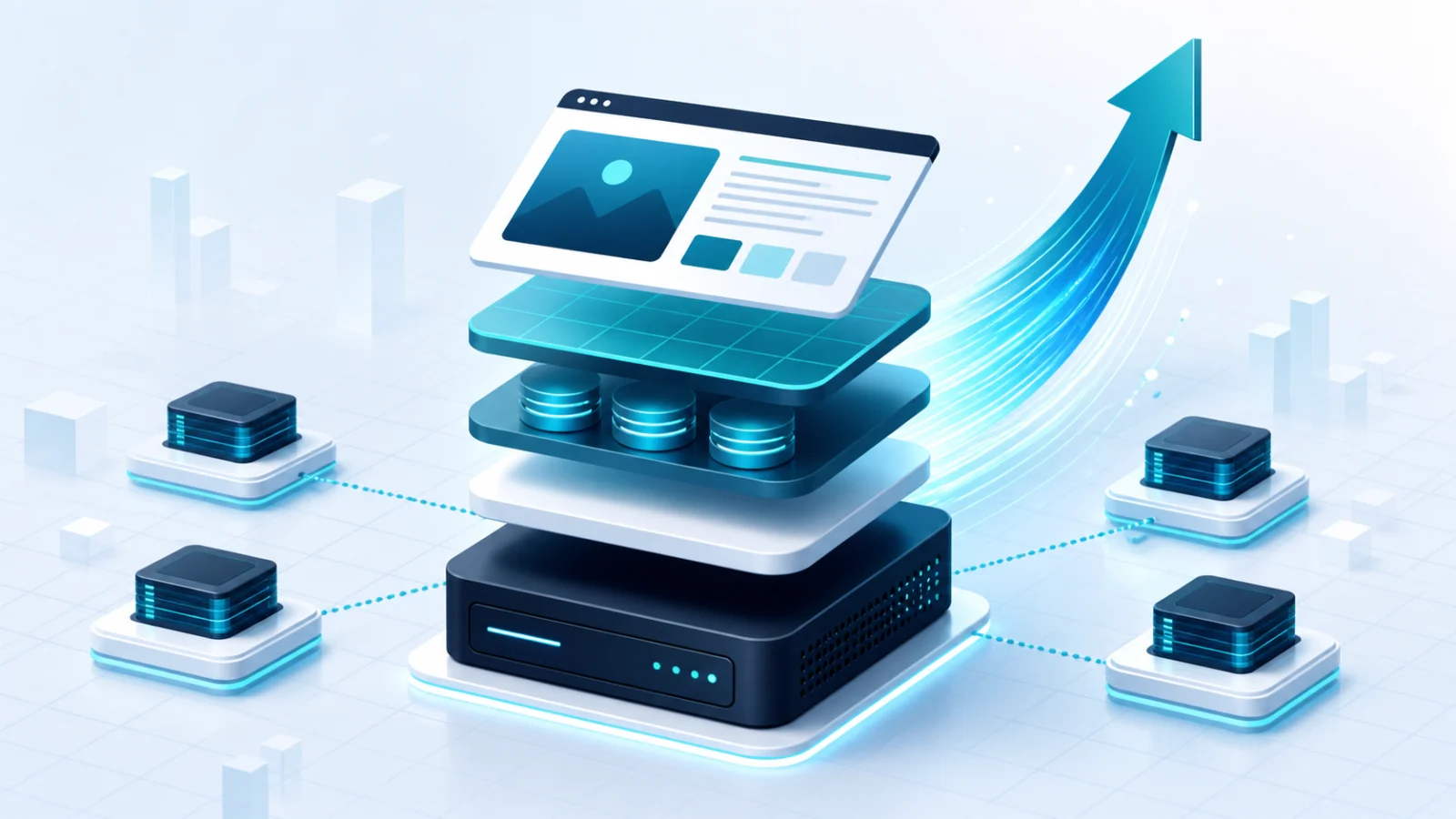
Performance comes from removing repeated work—not stacking optimization plugins. This is the order I use for caching, assets, database work, and measurement.
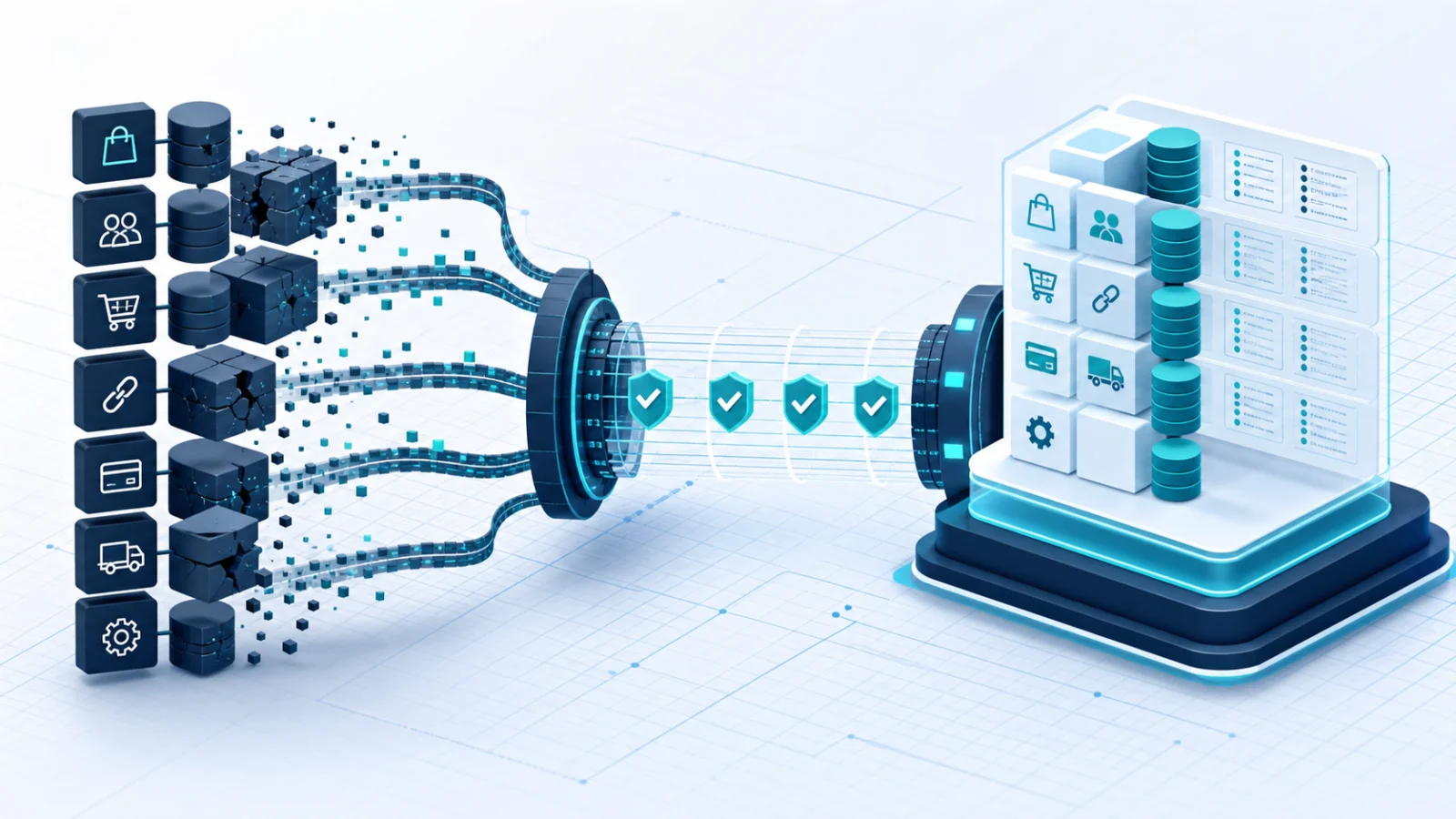
Products are only one part of a commerce migration. Orders, customers, URLs, integrations, permissions, and operational rules need defined destinations too.

A practical audit for order storage compatibility: CRUD APIs, direct queries, reports, integrations, tests, and a reversible rollout.
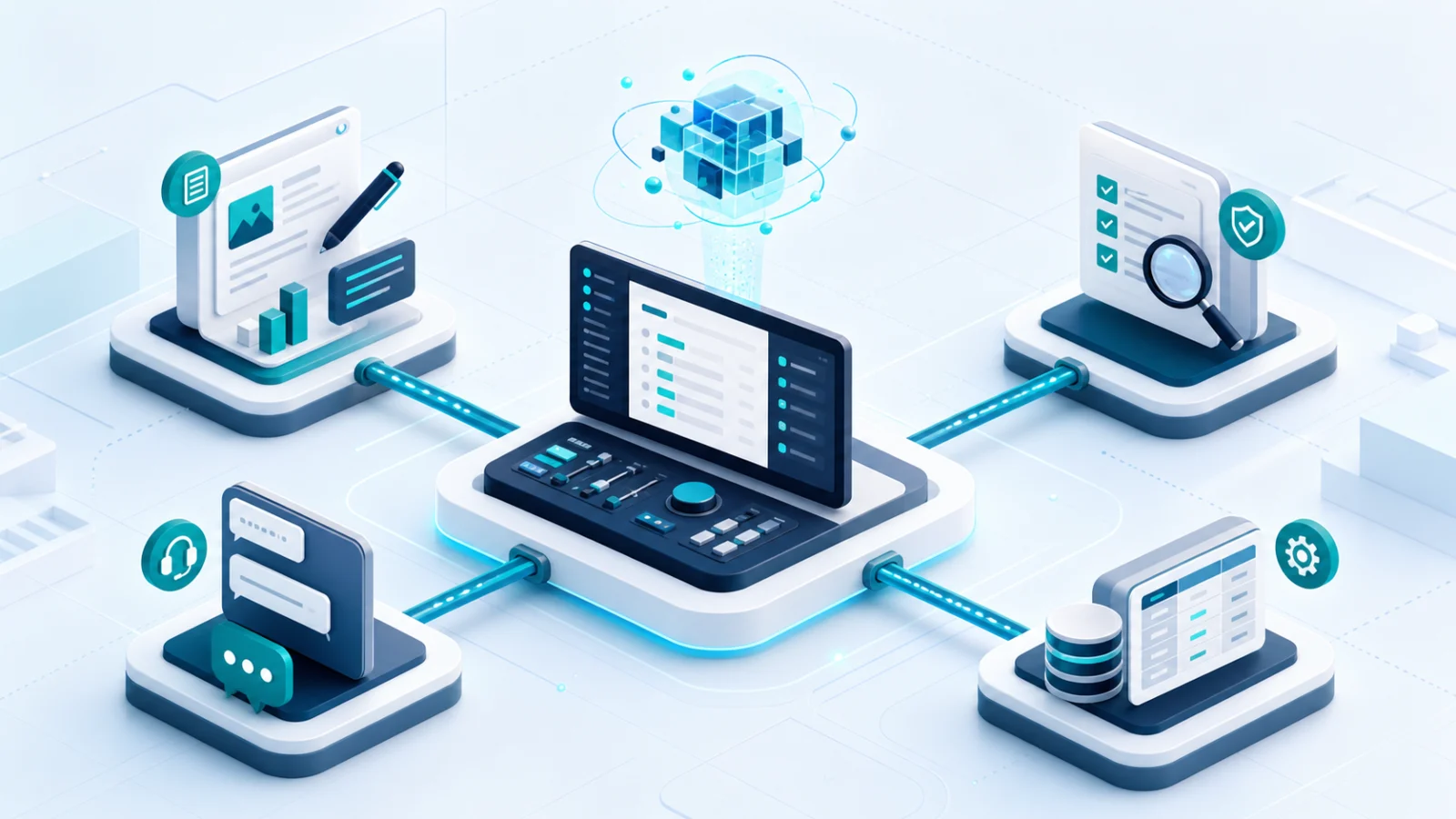
Useful automation starts with bounded operational work: classification, drafting, quality checks, support context, and structured data—with human control.
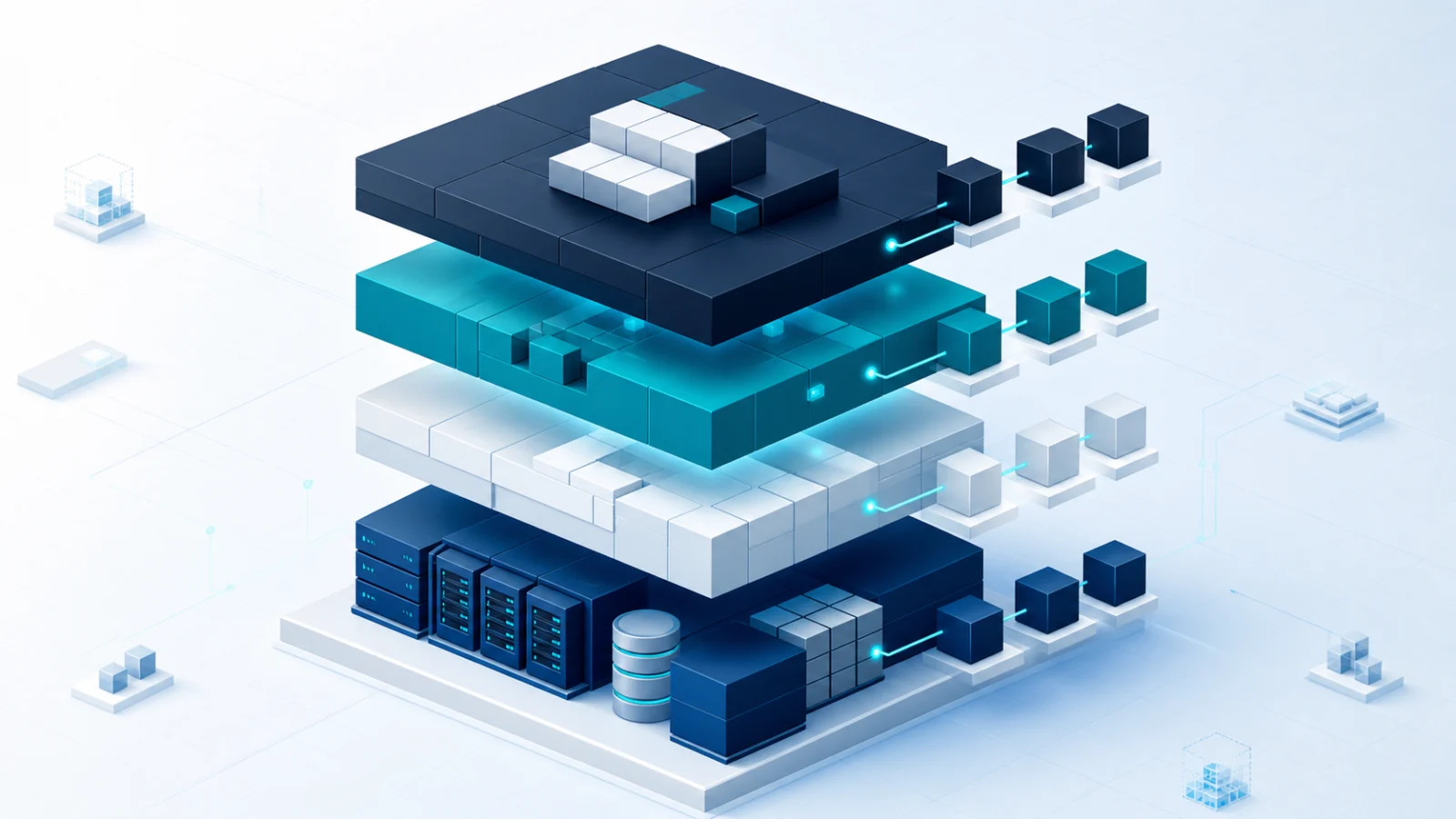
The goal is not zero plugins. It is explicit ownership: presentation in the theme, durable business behaviour in plugins, and infrastructure at the hosting layer.